Here is a handy guide to navigating both hosting a party and attending a party.
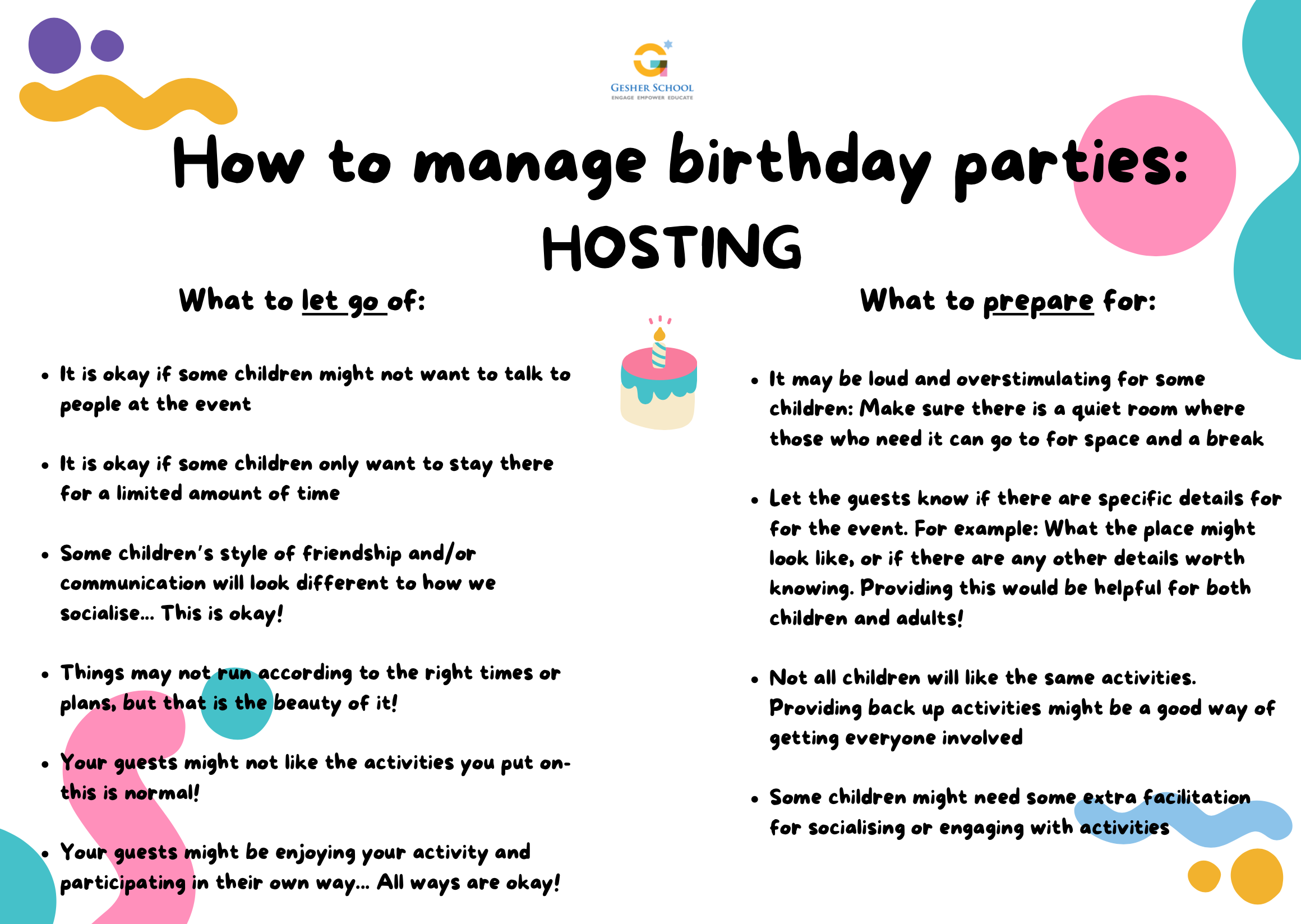
Here is a handy guide to navigating both hosting a party and attending a party.
How can you help a child who is having an emotional melt down? Learn brain-science basics and the two simple steps to calm a child who is experiencing intense emotions. In this video, Author and Psychiatrist Dr. Dan Siegel demonstrates a step-by-step approach to help a child manage strong emotions. At the same time, Dr. Siegel explains how this process is working at a biological level by “squirting soothing neurotransmitters” in the brain!
This clip is drawn from Dan Siegel’s hand model of the brain. It is a metaphor to help explain what might be happening in our brains when distressed. It depicts an ‘emotional’ and ‘thinking’ brain but this does not mean they are separate parts of the brain. The ‘emotional’ and ‘thinking’ brain are descriptive metaphors of brain functioning to explain how our brains may be in a more ‘reactive’ rather than ‘reflective’ mode. The hand model clip is used in Emotion Coaching training to show how Emotion Coaching can help to guide the brain to develop a more reflective mode (thinking brain) rather than remain in a reactive mode (emotional brain).
It is tempting to label challenging behaviour as oppositional, defiant, manipulative, and attention-seeking. But, challenging behaviour is often not in children’s control. It is more accurate and helpful to understand this behaviour as a sign that children cannot handle their big emotions (e.g., mad, sad, sacred). When they feel overwhelmed, their emotions are getting the best of them. That is, they cannot self-regulate. You can read more, here.
Lego Therapy is a structured, play-based approach that uses LEGO building activities to promote social interaction, communication skills, and problem-solving abilities in children.
There are many myths and stereotypes when it comes to ADHD. Even the name is misleading. People tend to think of ADHD as having a lack of attention but in fact they do not have a deficiency in attention, but an abundance of it! The difficulty is in not being able to control this attention. (https://mashable.com/article/what-is-adhd-myths-stigma)
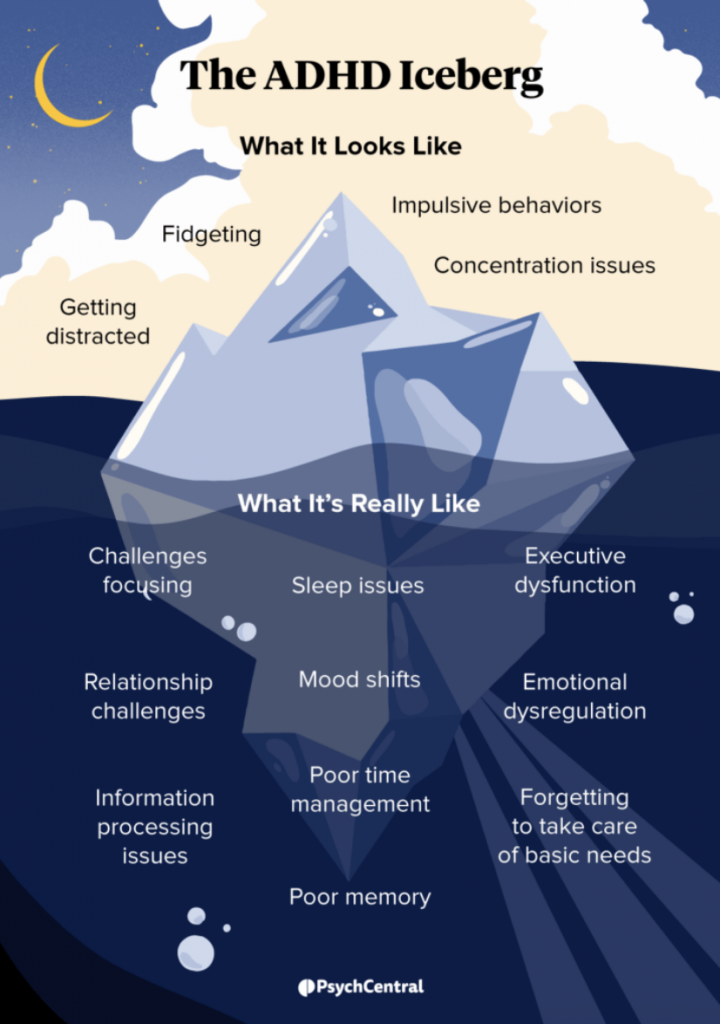
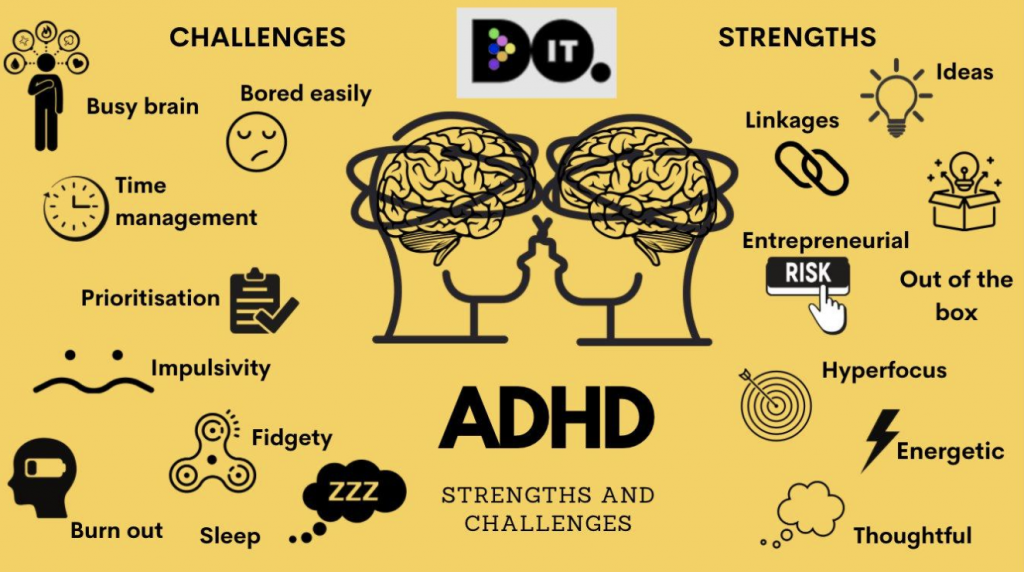
It is important to acknowledge and fully understand the difficulties faced so that the necessary supports and accommodations can be in place but we must also recognise the strengths that having a neurodivergent brain offers.
Here is one ADHDer’s personal story of success – Jessica Mccabe has her own YouTube ADHD channel. Click on the link to hear her story.
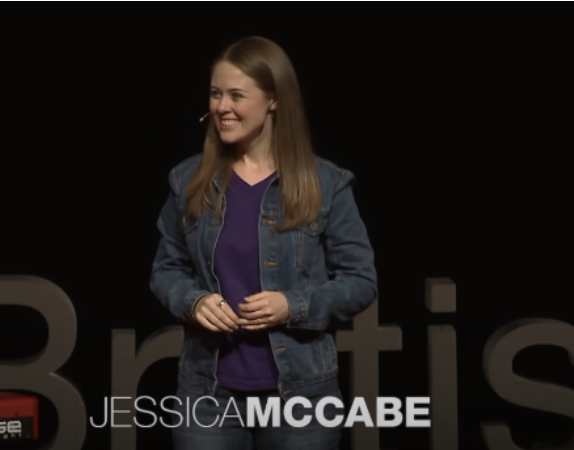
Failing at normal – one person’s success story
ADHD and Autism
Research suggests that 50-70% of autistic people are also ADHD. There are characteristics that overlap but also that often contradict each other.
Websites
Try this link for older students where you can sign up for free https://www.mindomo.com/ or to create simple to more complex ones for all students: https://www.canva.com/graphic-organizers/templates/
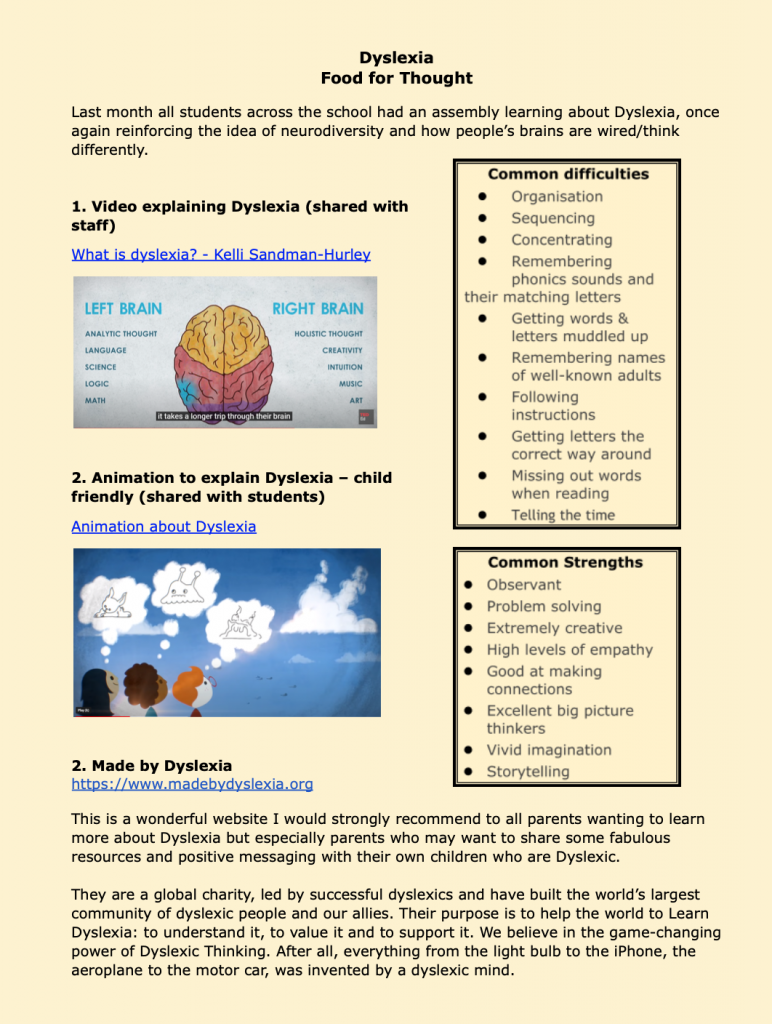
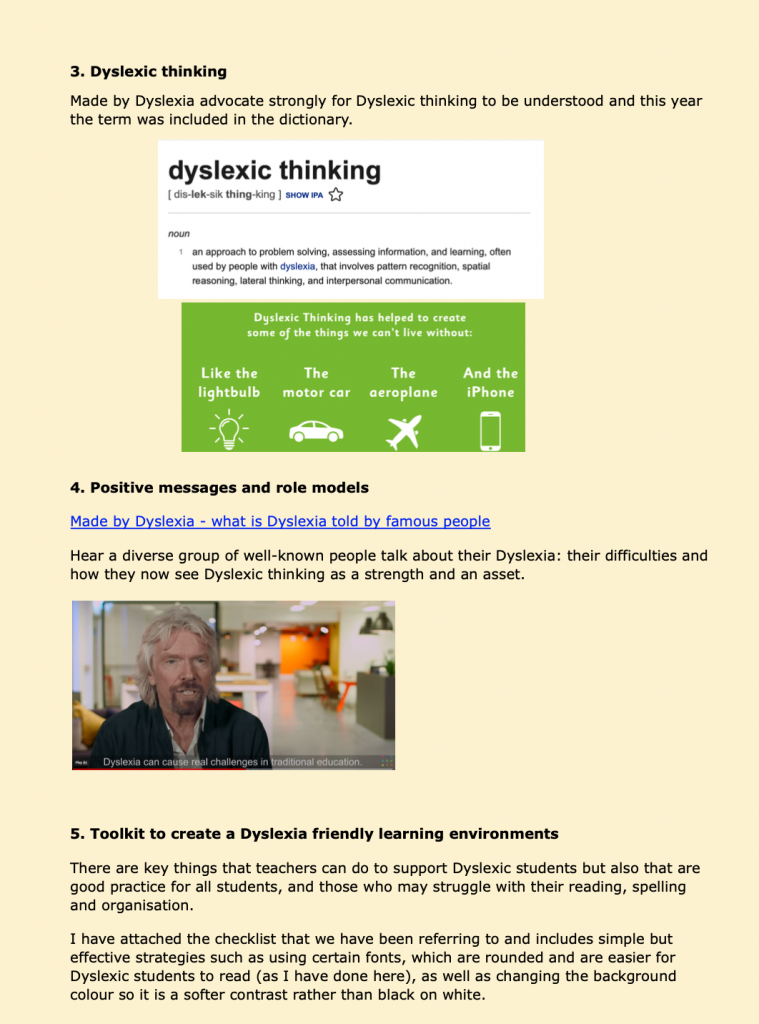
Pupils with dyslexia also have skills such as a strong memory for stories, a wonderful imagination, great spatial reasoning and can think outside the box! You can find more details at Dyslexia Help.
Click on the link below to find practical tips to support children’s wellbeing and behaviour:
https://parentingsmart.place2be.org.uk/