Gesher School Logo
  • The Bridge
  • Join Our Team
  • Admissions
  • Home
  • About us
    • Aims Vision & Ethos
    • Who We Are
      • Who We Are
      • Staff
      • Governance
      • Trustees
    • Policies
    • School Prospectus
    • Join our team
      • Join our team
      • Why join Gesher School?
    • Ofsted Report
    • Admissions
      • Admissions
      • Application Form
      • Open Mornings
    • Blueprint
    • SEND Information Report
    • Contact us
  • Parents
    • Who to talk to at school
    • Home school Agreement
    • Term Dates
    • Family Support Worker
    • Uniform
    • School lunches
    • Parent Resources
      • Parent Resources
      • Testimonials
    • Parent Teacher Committee (PTC)
    • Gesher Gazette
  • Student experience
    • Day in the Life
    • Curriculum
    • Therapies
    • Projects
    • The Wolfson Makerspace
    • Life Skills
    • Clubs
    • Careers
    • The Chatterboxes
    • Gallery
  • Community
    • Outreach
    • Support us
    • Partnerships
    • Collaborations
  • School News
    • Latest News
  • The Bridge
SWGfL Report Harmful Content
Gesher School Logo
  • Home
  • About us
    • Aims Vision & Ethos
    • Who We Are
      • Who We Are
      • Staff
      • Governance
      • Trustees
    • Policies
    • School Prospectus
    • Join our team
      • Join our team
      • Why join Gesher School?
    • Ofsted Report
    • Admissions
      • Admissions
      • Application Form
      • Open Mornings
    • Blueprint
    • SEND Information Report
    • Contact us
  • Parents
    • Who to talk to at school
    • Home school Agreement
    • Term Dates
    • Family Support Worker
    • Uniform
    • School lunches
    • Parent Resources
      • Parent Resources
      • Testimonials
    • Parent Teacher Committee (PTC)
    • Gesher Gazette
  • Student experience
    • Day in the Life
    • Curriculum
    • Therapies
    • Projects
    • The Wolfson Makerspace
    • Life Skills
    • Clubs
    • Careers
    • The Chatterboxes
    • Gallery
  • Community
    • Outreach
    • Support us
    • Partnerships
    • Collaborations
  • School News
    • Latest News
  • The Bridge
Gesher School Logo
  • Home
  • About us
    • Aims Vision & Ethos
    • Who We Are
      • Who We Are
      • Staff
      • Governance
      • Trustees
    • Policies
    • School Prospectus
    • Join our team
      • Join our team
      • Why join Gesher School?
    • Ofsted Report
    • Admissions
      • Admissions
      • Application Form
      • Open Mornings
    • Blueprint
    • SEND Information Report
    • Contact us
  • Parents
    • Who to talk to at school
    • Home school Agreement
    • Term Dates
    • Family Support Worker
    • Uniform
    • School lunches
    • Parent Resources
      • Parent Resources
      • Testimonials
    • Parent Teacher Committee (PTC)
    • Gesher Gazette
  • Student experience
    • Day in the Life
    • Curriculum
    • Therapies
    • Projects
    • The Wolfson Makerspace
    • Life Skills
    • Clubs
    • Careers
    • The Chatterboxes
    • Gallery
  • Community
    • Outreach
    • Support us
    • Partnerships
    • Collaborations
  • School News
    • Latest News
  • The Bridge
  • The Bridge
  • Join Our Team
  • Admissions
SWGfL Report Harmful Content
Category

The Bridge

Toy Story

15th December 2022Website Admin
With thanks to High Tech High for allowing us to share their student’s beautiful work.
View or download

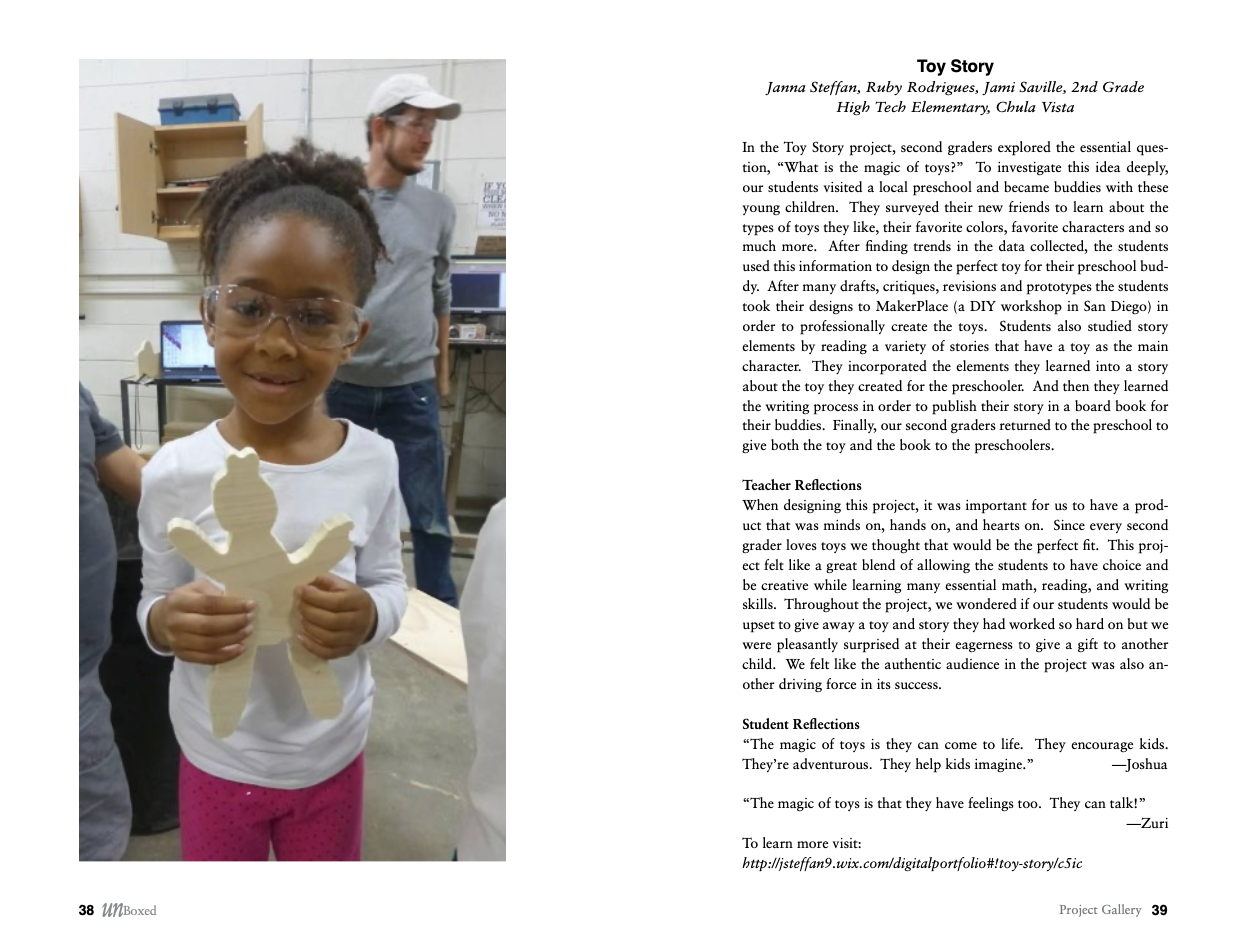
In the Toy Story project, second graders explored the essential question, “What is the magic of toys?” To investigate this idea deeply, our students visited a local preschool and became buddies with these young children. They surveyed their new friends to learn about the types of toys they like, their favorite colors, favorite characters and so much more. After finding trends in the data collected, the students used this information to design the perfect toy for their preschool buddy. After many drafts, critiques, revisions and prototypes the students took their designs to MakerPlace (a DIY workshop in San Diego) in order to professionally create the toys. Students also studied story elements by reading a variety of stories that have a toy as the main character. They incorporated the elements they learned into a story about the toy they created for the preschooler. And then they learned the writing process in order to publish their story in a board book for their buddies. Finally, our second graders returned to the preschool to give both the toy and the book to the preschoolers.

Teacher Reflection

When designing this project, it was important for us to have a product that was minds on, hands on, and hearts on. Since every second grader loves toys we thought that would be the perfect fit. This project felt like a great blend of allowing the students to have choice and be creative while learning many essential math, reading, and writing skills. Throughout the project, we wondered if our students would be upset to give away a toy and story they had worked so hard on but we were pleasantly surprised at their eagerness to give a gift to another child. We felt like the authentic audience in the project was also another driving force in its success.

Student Reflection

“The magic of toys is they can come to life. They encourage kids. They’re adventurous. They help kids imagine.”

—Joshua

“The magic of toys is that they have feelings too. They can talk!”

—Zuri

To learn more visit:

http://jsteffan9.wix.com/digitalportfolio#!toy-story/c5ic

View all project cards
Issue two,Project Cards,Resources for Schools,The Bridge HTH HTH Unboxed PBL Project Card Unboxed

Come Play With Us

15th December 2022Website Admin
With thanks to High Tech High for allowing us to share their student’s beautiful work.
View or download

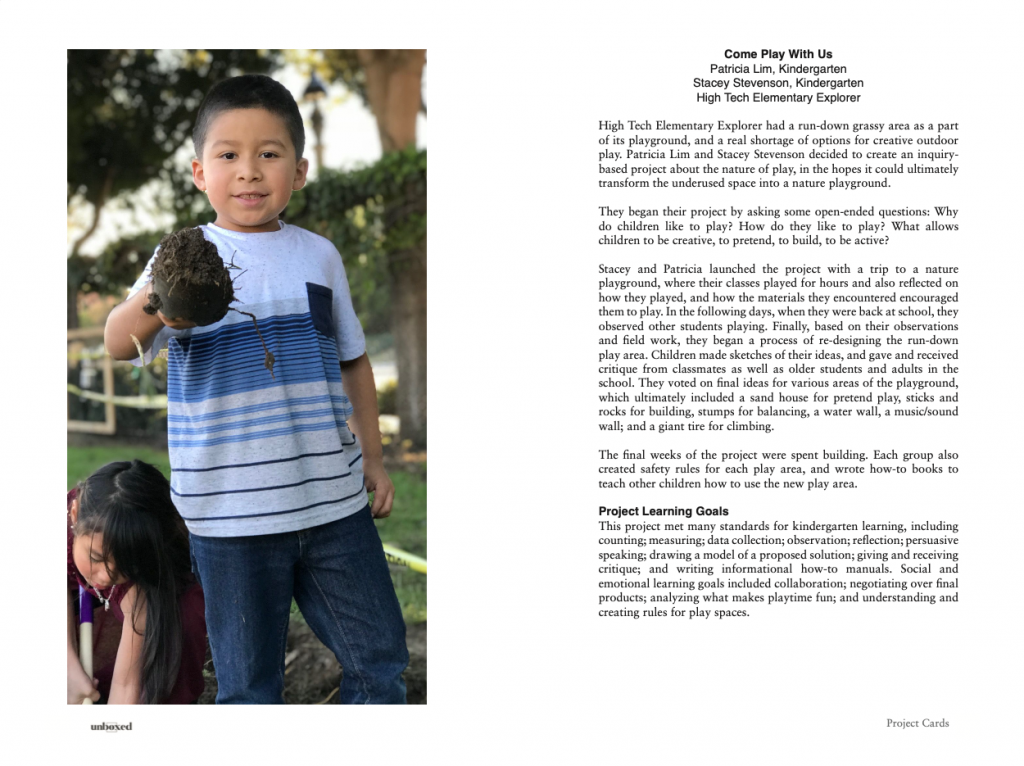
High Tech Elementary Explorer had a run-down grassy area as a part of its playground, and a real shortage of options for creative outdoor play. Patricia Lim and Stacey Stevenson decided to create an inquiry-based project about the nature of play, in the hopes it could ultimately transform the underused space into a nature playground.

They began their project by asking some open-ended questions: Why do children like to play? How do they like to play? What allows children to be creative, to pretend, to build, to be active?

Stacey and Patricia launched the project with a trip to a nature playground, where their classes played for hours and also reflected on how they played, and how the materials they encountered encouraged them to play. In the following days, when they were back at school, they observed other students playing. Finally, based on their observations and field work, they began a process of re-designing the run-down play area. Children made sketches of their ideas, and gave and received critique from classmates as well as older students and adults in the school. They voted on final ideas for various areas of the playground, which ultimately included a sand house for pretend play, sticks and rocks for building, stumps for balancing, a water wall, a music/sound wall; and a giant tire for climbing.

The final weeks of the project were spent building. Each group also created safety rules for each play area, and wrote how-to books to teach other children how to use the new play area.

Project Learning Goals

This project met many standards for kindergarten learning, including counting; measuring; data collection; observation; reflection; persuasive speaking; drawing a model of a proposed solution; giving and receiving critique; and writing informational how-to manuals. Social and emotional learning goals included collaboration; negotiating over final products; analysing what makes playtime fun; and understanding and creating rules for play spaces.

View all project cards
Issue two,Project Cards,Resources for Schools,The Bridge HTH HTH Unboxed PBL Project Card Unboxed

Give Me Shelter

15th December 2022Website Admin
With thanks to High Tech High for allowing us to share their student’s beautiful work.
View or download

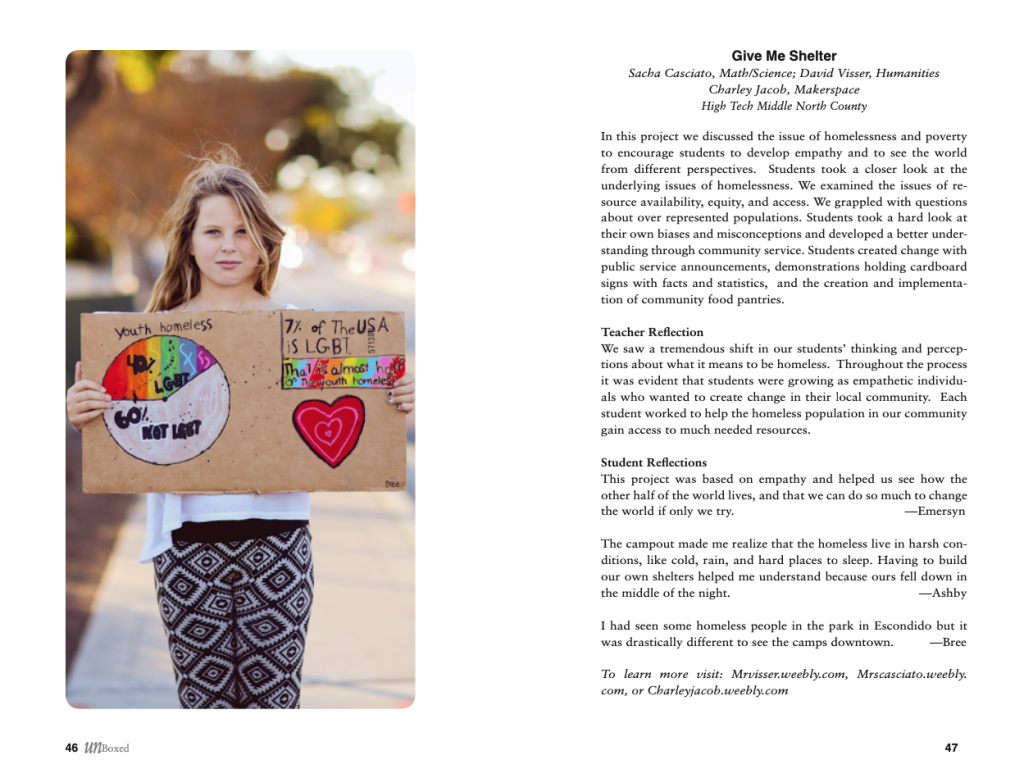
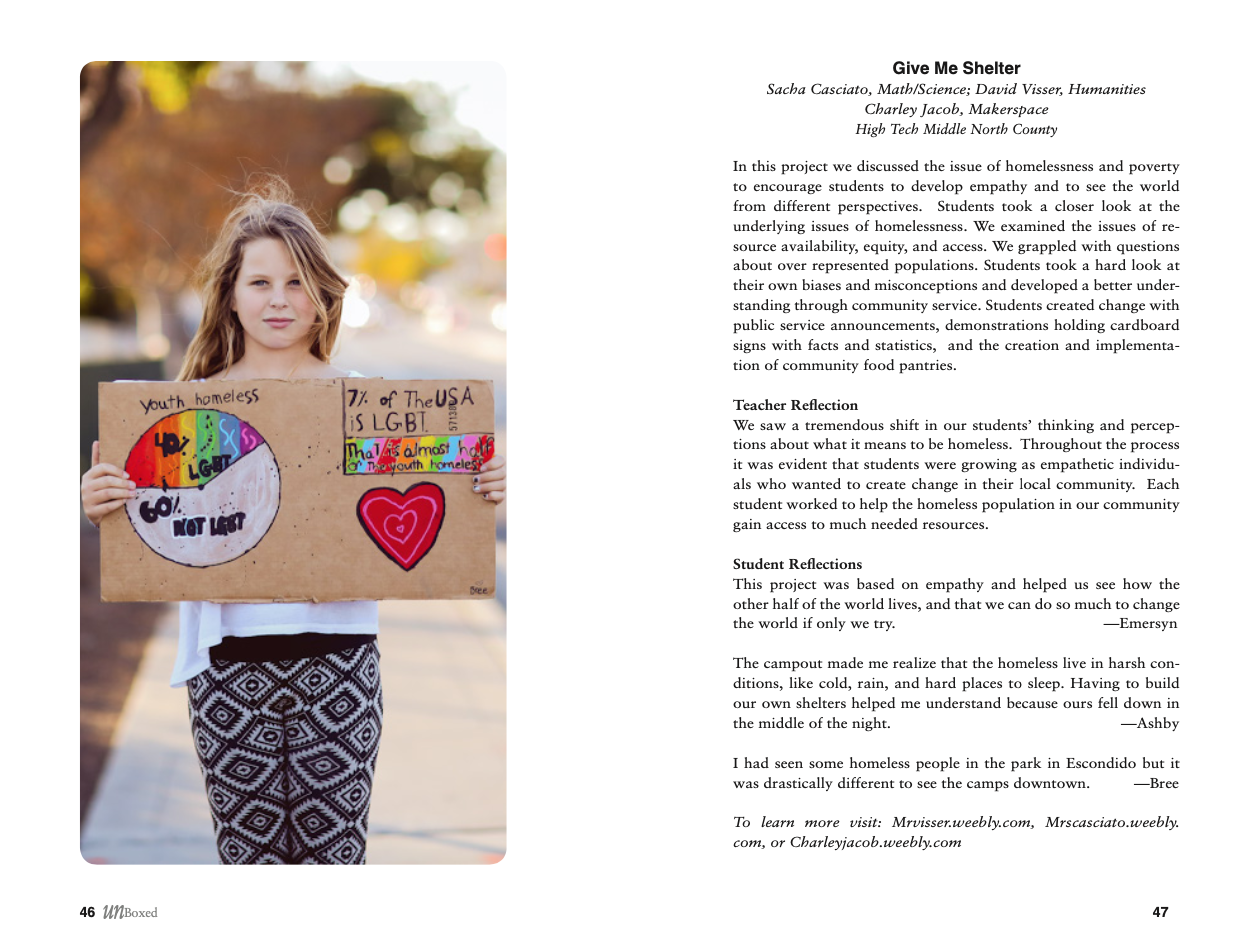
In this project we discussed the issue of homelessness and poverty to encourage students to develop empathy and to see the world from different perspectives. Students took a closer look at the underlying issues of homelessness. We examined the issues of resource availability, equity, and access. We grappled with questions about over represented populations. Students took a hard look at their own biases and misconceptions and developed a better understanding through community service. Students created change with public service announcements, demonstrations holding cardboard signs with facts and statistics, and the creation and implementation of community food pantries.

Teacher’s Reflection

“We saw a tremendous shift in our students’ thinking and perceptions about what it means to be homeless. Throughout the process it was evident that students were growing as empathetic individuals who wanted to create change in their local community. Each student worked to help the homeless population in our community gain access to much needed resources.”

Student Reflection

This project was based on empathy and helped us see how the other half of the world lives, and that we can do so much to change the world if only we try.

— Emersyn

The campout made me realise that the homeless live in harsh conditions, like cold, rain, and hard places to sleep. Having to build our own shelters helped me understand because ours fell down in the middle of the night.

— Ashby

I had seen some homeless people in the park in Escondido but it was drastically different to see the camps downtown.

— Bree

To learn more visit: Mrvisser.weebly.com, Mrscasciato.weebly. com, or Charleyjacob.weebly.com

View all project cards
Issue two,Project Cards,Resources for Schools,The Bridge HTH HTH Unboxed PBL Project Card Unboxed

Issue 02

15th December 2022realsmart admin

Issue 02 Articles

Full Issue

Issue 01

15th December 2022realsmart admin

Issue 01 Articles

Full Issue

Ditch the Green Paper ….

2nd November 2022Ali Durban

by Ali Durban, Co-Founder Gesher School.

With the constant merry-go-round of Education Ministers and no appointment of a SEND minister since Kelly Tolhurst, we have been looking at what has progressed with the Green Paper since its submission in July. The answer is not much – other than an exchange in the form of a letter to current Minister of Education MP Robert Halfon, (and former Chair of the Education Select committee) from former Minister of Education, Kit Malthouse who writes:

‘We are proposing to establish local SEND and AP partnerships. These partnerships would be responsible for delivering a local inclusion plan which sets out the provision that will be made available in line with the national standards.’

To be clear, the Children and Families Act 2014 is the national standard (as opposed to a local inclusion plan), it already sets out a legal duty on LAs to secure and maintain Special Educational Provision through an EHCP. If provision is specified and quantified properly in an EHCP and the general principles of section 19 upheld (the need for the LA to have regard for what will help the child or young person to achieve the best possible educational and other outcomes), then an inclusion plan is not necessary.

What does need to be established is a clear accountability framework. Local Authorities need to be held to account when they do not uphold the legal standard (namely the Children and Families Act). At present the only setting for this is tribunal. It can take parents years to reach tribunal level, and the journey to get there is arduous, exhausting and often quite traumatic. Shockingly, around 95% of tribunals are upheld. This stark figure reflects that one of the biggest weaknesses of the system is in fact Local Authorities not doing what they should do legally. Establishing ‘new partnerships’ to deliver what is already written in statute will without doubt add another layer of delay to families trying to achieve the appropriate provision and outcomes for their child.

Tragically the human cost in all of this is the child or young person, who is at this point often in crisis.

Kit Malthouse goes on to write ‘The local inclusion plan will inform the tailored list of settings from which parents and carers are able to choose provision where their child requires an education, health and care plan (EHCP). The expectation is that all schools on the list will be settings that can meet the child’s special educational needs as identified in their EHC needs assessments. This aims to give parents and carers clarity on what is available locally which may still include mainstream, special, independent, or out of borough provision. Our intention is that this will lead to greater transparency about what is available for children and young people in their local school and greater clarity about how it can be provided. We also aim for this to improve the choice offered to parents and carers by suggesting options they may not have otherwise considered’.

This ambiguous statement shows a deep lack of knowledge of the SEND system. It infers freedom of choice.

However, choice is something that many families of children with SEND have never had.

The tailored list that Mr Malthouse refers to already exists in the form of a local offer. This list is drawn up by the Local Authority and typically based on cost. It does not and could not list a school to meet each and every need because:

● There is a lack of provision across the UK and the quality can differ hugely between LAs. Figures obtained by the newspaper ‘Schools Week’ show that over half of special schools had more pupils on roll than the number commissioned by their council. This was a 15% rise from 2017-18. There simply isn’t enough provision in-borough or nationally to meet need.

● Much of the provision comes out of the independent sector. In order to make the local offer list, a school must agree to section 41 – reciprocal duty to co-operate with the local authority on arrangements (admissions); this means that LA’s loosely control admissions and could see a school end up with a very mixed and challenging cohort of children. For this reason, many independent schools choose not to be part of the local offer.

There is no indication of what will happen if there isn’t an appropriate school on the list. Will parent’s once again need to battle to reach a tribunal to access the provision they need, whilst, once again, (same story here…) the child is left in crisis?

There is no mention in Kit Malthouse’s letter of placing the child and their needs at the centre of decision-making. A true local inclusion plan would see a timely and thorough multi-disciplinary assessment, followed by the family and LA working together to find the right placement with the child’s needs at the centre of all decision-making.

The reality is a 2-3 year wait for a full assessment, which is often not accurate because there is a vested interest to keep ‘need’ to a minimum (if at all) in order that there is less of a requirement to procure an EHCP and LA spend. When it comes to placement, the LA’s decision-making is based on budget and very often they will write “mainstream school” or the next cheapest placement in Section I.

Kit Malthouse’s letter highlights the disparity between what the central Government thinks inclusion is, versus the reality of what children, young people and their families face. 

We know the system is broken. Report after report after report has evidenced that children with SEND and their families are being consistently damaged and failed by the system. Much of it might be legally questionable. The proposed changes in the Green Paper continue to raise significant concerns as to the future of SEND provision.

What we need is a long-term plan for education, designed with those who bring their lived experience to a collaborative and inclusive process. We need to take the 7000+ responses from the Green paper review, analyse and publish the responses, as Tania Tiororro of Special Needs Jungle recommends.  She also writes:

‘DELAY further plans for improvement, DITCH the Green Paper in its current form and PUBLISH a straight analysis of the consultation as soon as possible

And perhaps most importantly, we need someone bold and brave who is willing to make real change and for once, put this group of children and young people and their needs first.
Article,Front Page News,The Bridge Green Paper SEND

Our journey to Outstanding: How our second Ofsted inspection has proved real change is possible.

12th October 2022Ali Durban

by Ali Durban, Gesher Co-Founder

Gesher School started life almost 10 years ago.  An idea driven by a difficult lived experience of the education system for our own children and a vision and desire to create something better for many other children.  The first couple of years were intense.  Sarah, my co-founder, and I met in a school playground, at the time we had children in the same class at the school.  We both had full time jobs, young families and, although we were educated, neither of us had a background in education. 

It was an ambitious project.

And so, we educated ourselves, researching data, visiting schools across the UK and understanding the daily struggles of the unmet needs of what we discovered to be thousands of children and young people with mild to moderate learning differences.  

We knew there was a desperate need for change, something transformative.  We began a dialogue with our local Jewish community in North London, and advocated that, with the right start in life, this marginalised group of children and young people, who were typically under-served and failed by the current education system, could have different outcomes in life.  

We surrounded ourselves with experts and poured the very best of our shared knowledge into our collective vision.  However, translating an idea into a reality needs more than passion, purpose, and knowledge, it needs funding.  

So, at the same time we learnt to fundraise and to share our vision with people who cared about this group of children and their outcomes in life as deeply as we did.  They too believed that real change was possible. We call them Gesher Champions and together we raised £2m to kickstart Gesher.

In 2017, Gesher opened as a primary special school in Cricklewood with seven children who were differently able and who had learning differences. Seven families who had taken that leap of faith with us. These children were going to have a different educational experience. The feeling on the first day of seeing those children was immense.  A year later OfSTED visited and judged Gesher to be Outstanding in all Areas and, as the inspector shared his views, we all cried tears of joy. 

The school continued to develop and grow until eventually our site was full, with waiting lists and our primary children who were graduating had no specialist secondary schools to progress onto.  Then the pandemic hit, and amidst the challenges of supporting our children and families we were desperately looking for premises to expand and once again the funds to support our growth.

The universe tilted in our direction and in 2020, Gesher relocated to Pinner and opened as an all-through school, at full capacity it will be a school for 120 students aged 5 to 16.  To date we have raised over £5m with our Gesher Champions to support this second phase of growth.  Our vision remains the same, to build upon the success of the primary school and deliver an exceptional learning environment for children and young people who are differently able.  

We have been working hard over the last two years to create a new evidence-based model of teaching and learning for students with SEN that is academically rigorous with the long-term ambition of sharing our practice with other schools and learning communities.  Joining the dots and creating system change from the ground upwards.  

This September, Ofsted visited a second time and, under the new inspection framework judged Gesher to be Outstanding in all Areas again.  Given that we were expecting a ‘Good’ under the new framework, once again we were floored and in tears. In particular, the inspectors noted:

Pupils receive an exceptional quality of provision. Leaders have designed an ambitious curriculum which is taught by the school’s expert staff. 

Together, the curriculum and therapies encourage pupils’ independent living skills and emotional well-being very successfully. 

Therapists, teachers and teaching assistants work together seamlessly as one team. They truly understand how to meet pupils’ varied special educational needs. While staff are nurturing, they also have high expectations of all pupils. As a result, pupils work hard and learn well.  

We are all immensely proud of this. 

Gesher is a learning community filled with agency, purpose and passion which puts children and young people at the heart of school life and this achievement is more than an endorsement. 

This is a signal of hope for thousands of differently-abled children and young people and perhaps most importantly – an offering of what is possible in education.


-ends-


Leadership,The Bridge,Uncategorized

‘Life Changing’ Gesher School maintains its Outstanding rating 

12th October 2022Website Admin

Gesher School in Pinner is delighted  to share it has maintained its Outstanding Ofsted rating after an inspection in late September. 

Gesher is an all-through school for young people with mild to moderate learning needs. The school was last inspected in 2018 when it only had 13 pupils aged 4 to 7 based on a smaller site in Kilburn. This inspection was conducted at the school’s new site in Pinner with more than 50 pupils aged 4 to 14.

This is the school’s second Outstanding rating since opening.  Ofsted recently changed its inspection framework making it much more challenging for schools to achieve this status.

Based on the latest inspection, Ofsted said: 

Pupils receive an exceptional quality of provision. Leaders have designed an ambitious curriculum which is taught by the school’s expert staff. 

Together, the curriculum and therapies encourage pupils’ independent living skills and emotional well-being very successfully. 

Therapists, teachers and teaching assistants work together seamlessly as one team. They truly understand how to meet pupils’ varied special educational needs. While staff are nurturing, they also have high expectations of all pupils. As a result, pupils work hard and learn well.  

Ofsted also drew attention to positive comments made by parents through the online survey they were asked to complete: “Parents often commented that their children are thriving at Gesher. They described the school’s work as ‘in a different league’ and ‘life changing’”. 

Download: Gesher Ofsted Report 2022

Leadership at Gesher was also described by Ofsted as “exceptionally strong” with “senior leaders are supported and challenged in equal measure by the school’s governing body”. 

Gesher’s Co-Heads, Tamaryn Yartu and Nikeisha Webb-Hardy said ‘We are extremely thrilled and proud of the hard work and commitment that our staff has shown resulting in such a phenomenal achievement. Our students have made us very proud, and we are delighted to share in this outstanding achievement with our parents and wider community. We remain resolute in ensuring that we remain a flagship school- leading the path to success for all our students. 

“What began as a small project and primary school has grown into a thriving all-through school. Under Tamaryn and Nikeisha’s stewardship the school’s innovative approach to education has taken root with students happy and flourishing. This recognition by Ofsted is important in cementing Gesher as an exceptional school in the community and we are truly thrilled and excited for what the future holds for our students” say Ali Durban and Sarah Sultman, Co-Founders Gesher School.


Front Page News,The Bridge

Under the Sea Project

28th September 2022Website Admin

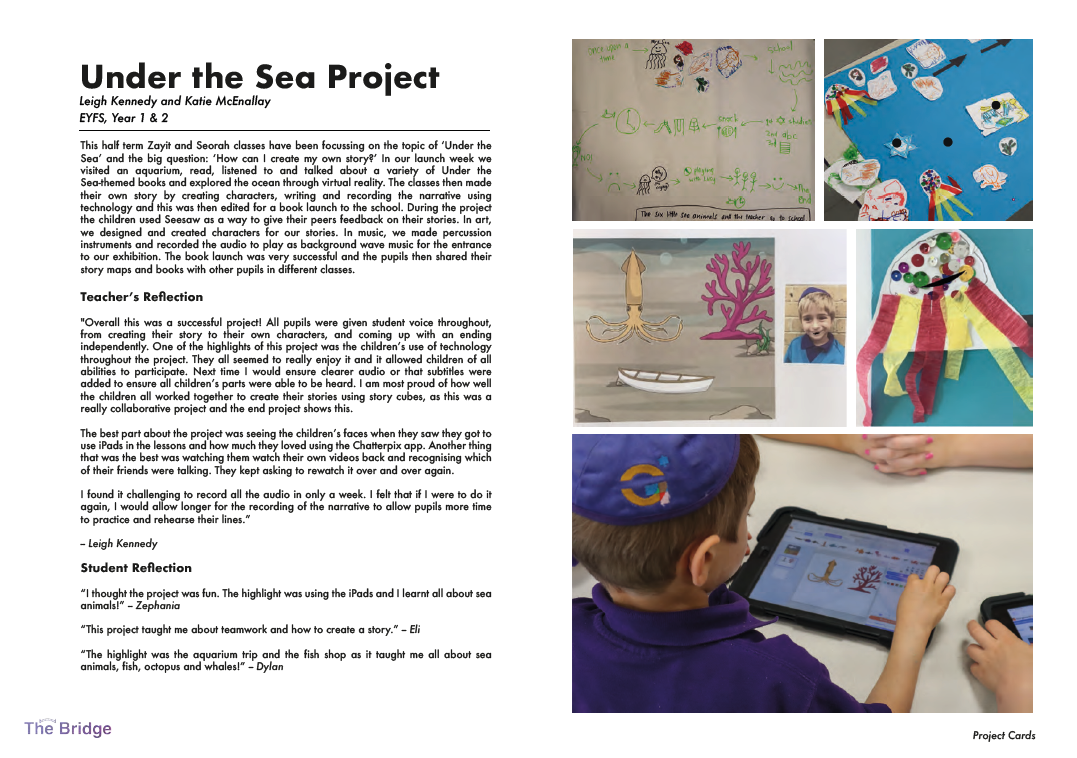
This half term Zayit and Seorah classes have been focussing on the topic of ʻUnder the Seaʼ and the big question: ʻHow can I create my own story?ʼ

View or download

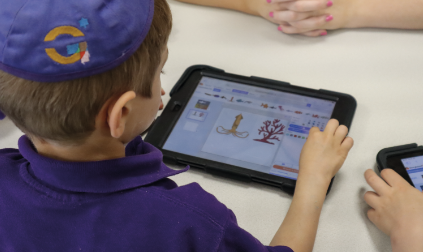
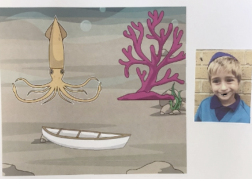
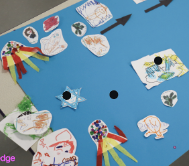
In our launch week we visited an aquarium, read, listened to and talked about a variety of Under the Sea-themed books and explored the ocean through virtual reality. The classes then made their own story by creating characters, writing and recording the narrative using technology and this was then edited for a book launch to the school. During the project the children used Seesaw as a way to give their peers feedback on their stories. In art, we designed and created characters for our stories. In music, we made percussion instruments and recorded the audio to play as background wave music for the entrance to our exhibition. The book launch was very successful and the pupils then shared their story maps and books with other pupils in different classes.

Teacher’s Reflection

“Overall this was a successful project! All pupils were given student voice throughout, from creating their story to their own characters, and coming up with an ending independently. One of the highlights of this project was the children’s use of technology throughout the project. They all seemed to really enjoy it and it allowed children of all abilities to participate. Next time I would ensure clearer audio or that subtitles were added to ensure all children’s parts were able to be heard. I am most proud of how well the children all worked together to create their stories using story cubes, as this was a really collaborative project and the end project shows this.

The best part about the project was seeing the children’s faces when they saw they got to use iPads in the lessons and how much they loved using the Chatterpix app. Another thing that was the best was watching them watch their own videos back and recognising which of their friends were talking. They kept asking to rewatch it over and over again.

I found it challenging to record all the audio in only a week. I felt that if I were to do it again, I would allow longer for the recording of the narrative to allow pupils more time to practice and rehearse their lines.”

— Leigh Kennedy

Student Reflection

“I thought the project was fun. The highlight was using the iPads and I learnt all about sea animals!”

– Zephania

“This project taught me about teamwork and how to create a story.”

– Eli

“The highlight was the aquarium trip and the fish shop as it taught me all about sea animals, fish, octopus and whales!”

– Dylan

View all project cards

Project Cards,The Bridge

Animals in the Wild Project

28th September 2022Website Admin

Gefen was very excited to do our project on Animals in the Wild. We answered the big question of ʻWhat do we know about wild animals in our community?ʼ

View or download

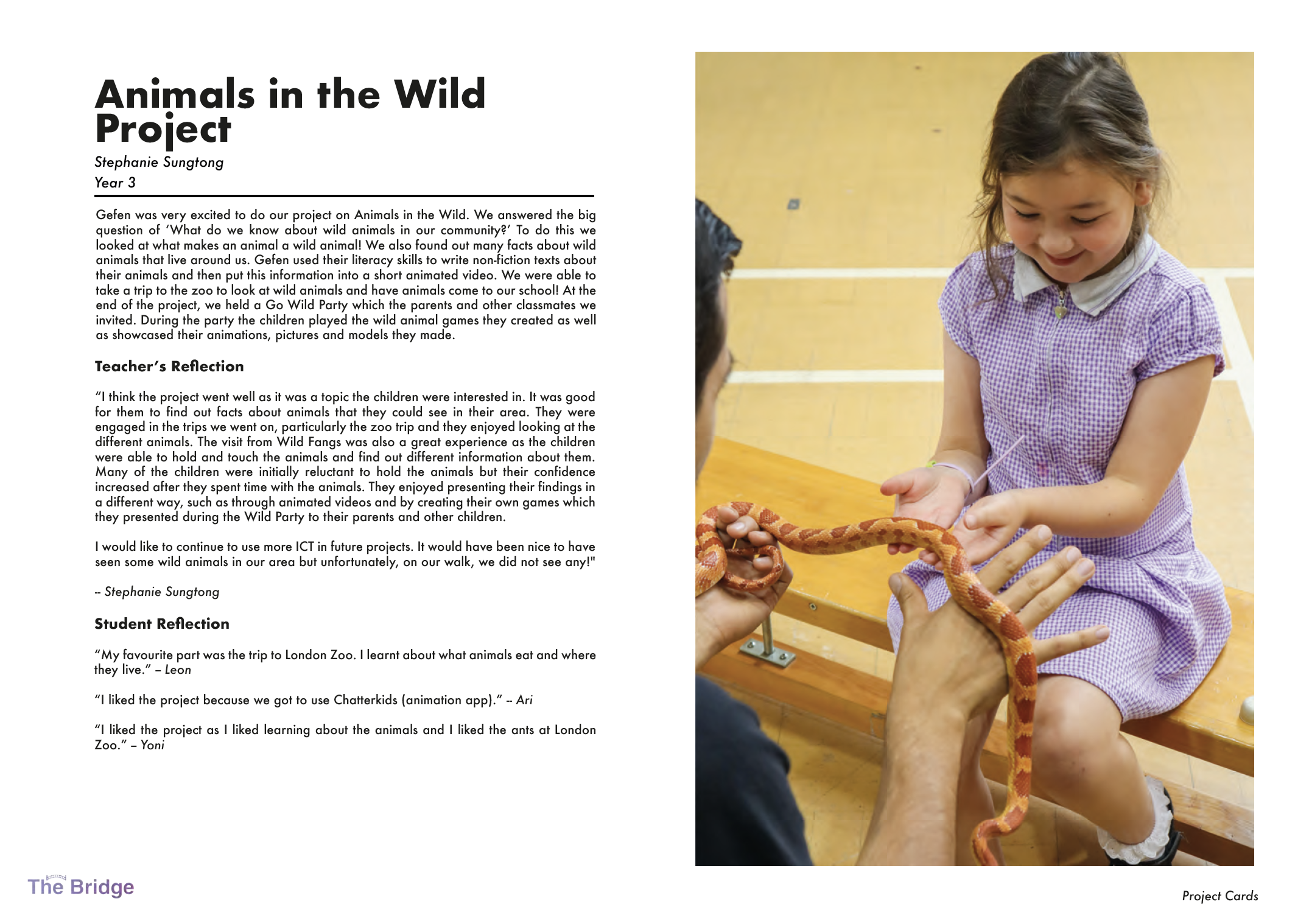
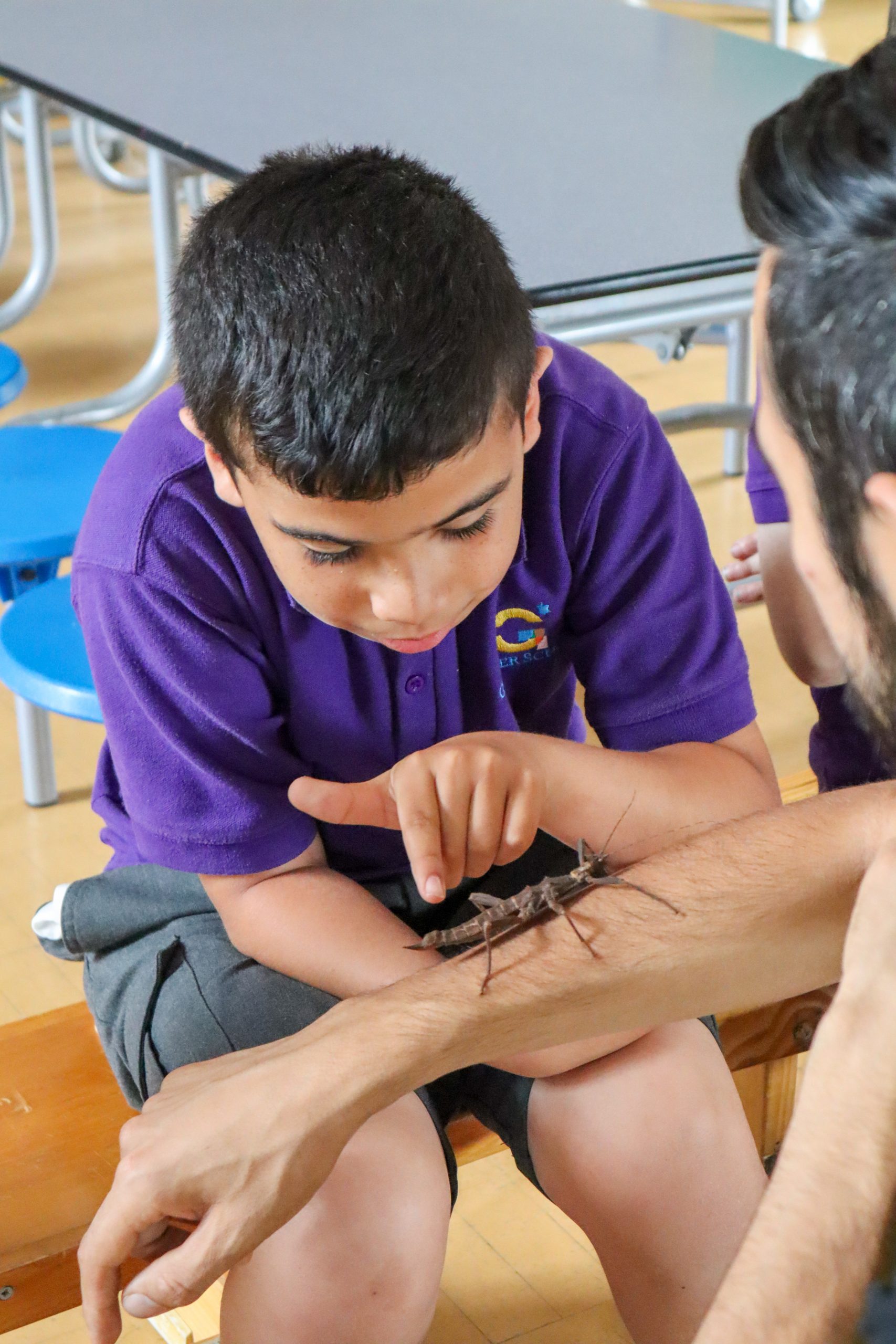
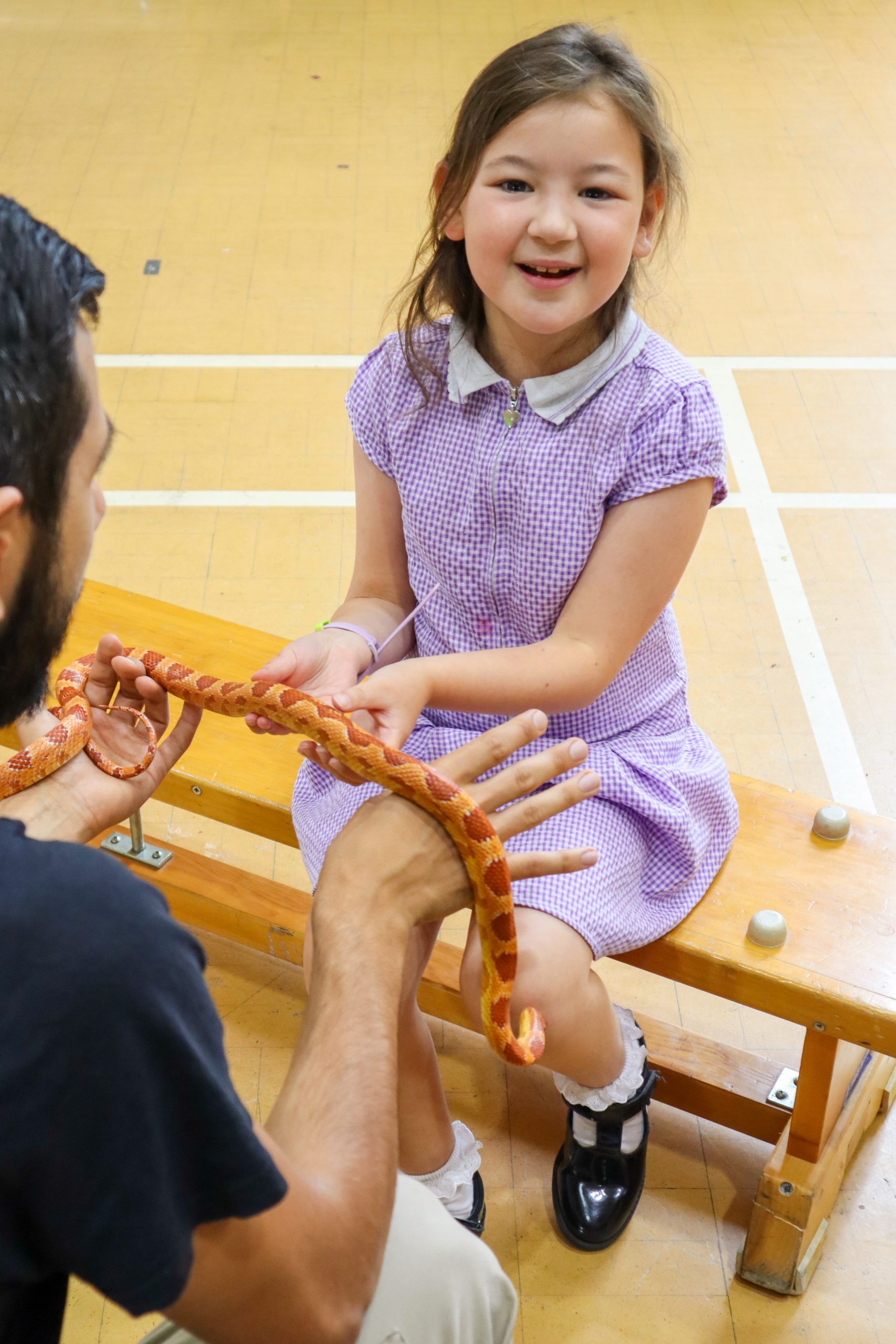
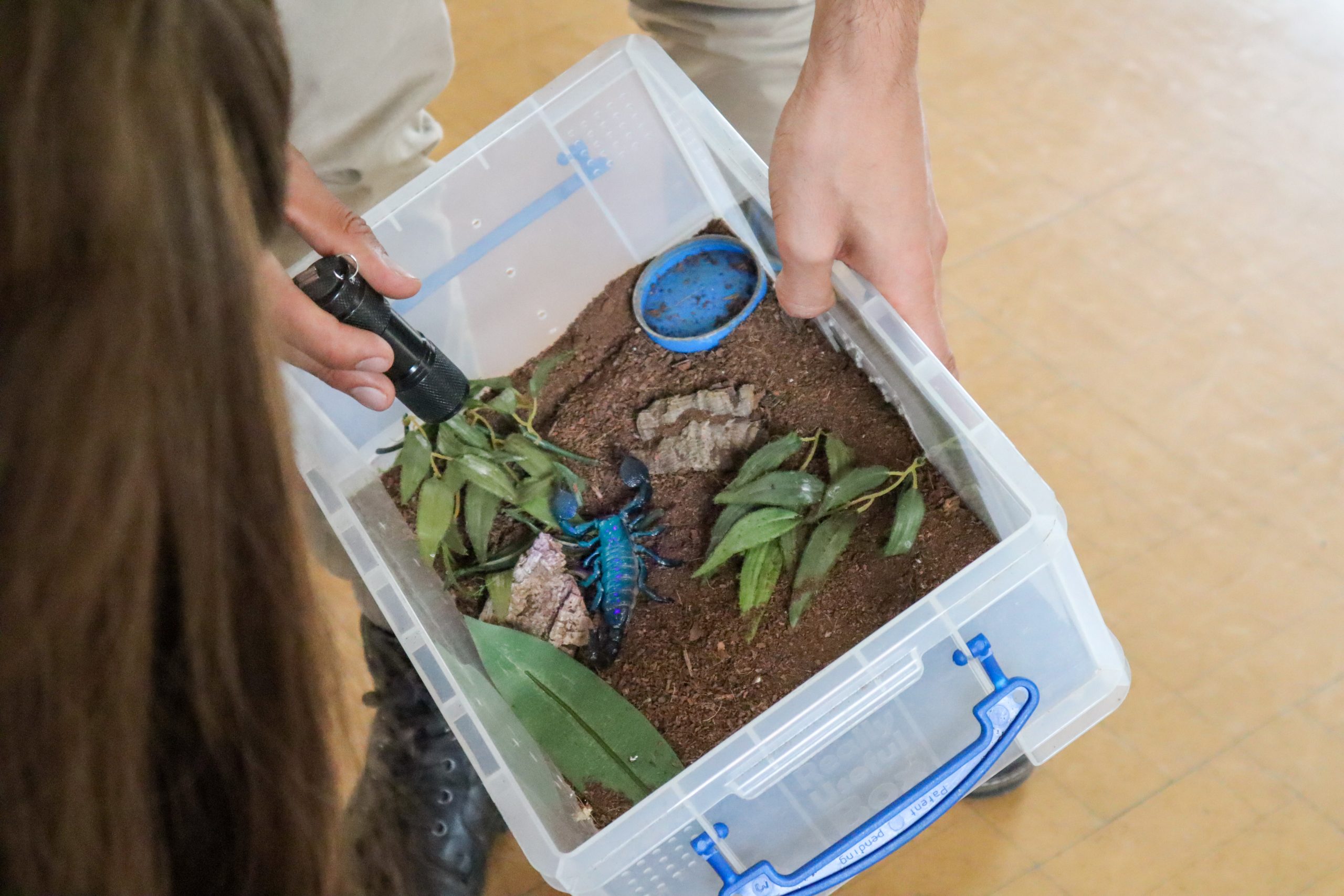
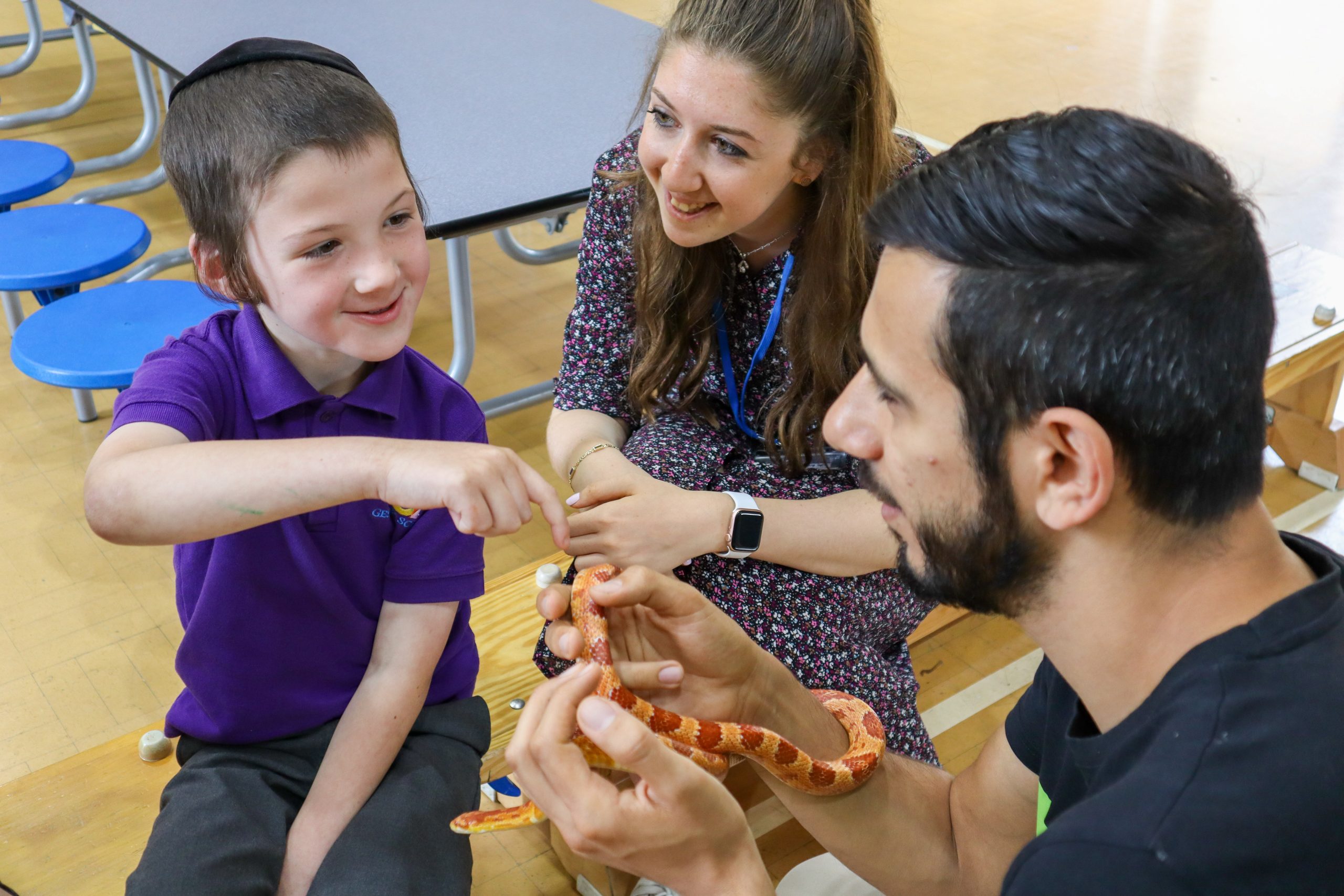
To do this we looked at what makes an animal a wild animal! We also found out many facts about wild animals that live around us. Gefen used their literacy skills to write non-fiction texts about their animals and then put this information into a short animated video. We were able to take a trip to the zoo to look at wild animals and have animals come to our school! At the end of the project, we held a Go Wild Party which the parents and other classmates we invited. During the party the children played the wild animal games they created as well as showcased their animations, pictures and models they made.

Teacher’s Reflection

“I think the project went well as it was a topic the children were interested in. It was good for them to find out facts about animals that they could see in their area. They were engaged in the trips we went on, particularly the zoo trip and they enjoyed looking at the different animals. The visit from Wild Fangs was also a great experience as the children were able to hold and touch the animals and find out different information about them. Many of the children were initially reluctant to hold the animals but their confidence increased after they spent time with the animals. They enjoyed presenting their findings in a different way, such as through animated videos and by creating their own games which they presented during the Wild Party to their parents and other children.

I would like to continue to use more ICT in future projects. It would have been nice to have seen some wild animals in our area but unfortunately, on our walk, we did not see any!”

— Stephanie Sungtong

Student Reflection

“My favourite part was the trip to London Zoo. I learnt about what animals eat and where they live.”

– Leon

“I liked the project because we got to use Chatterkids (animation app).”

– Ari

“I liked the project as I liked learning about the animals and I liked the ants at London Zoo.”

– Yoni

View all project cards

Project Cards,The Bridge

Post navigation

← Older posts
Newer posts →

School Address

Gesher School

Cannon Lane

HA5 1JF

Contact Info

020 7884 5102

[email protected]

Gesher School, Cannon Lane,
Pinner HA5 1JF
  • 020 7884 5102
  • [email protected]
Useful Links
  • The Bridge
  • Join Our Team
  • Admissions
School website powered by realsmart brand logo
Skip to content
Open toolbar Accessibility Tools

Accessibility Tools

  • Increase TextIncrease Text
  • Decrease TextDecrease Text
  • GrayscaleGrayscale
  • High ContrastHigh Contrast
  • Negative ContrastNegative Contrast
  • Light BackgroundLight Background
  • Links UnderlineLinks Underline
  • Readable FontReadable Font
  • Reset Reset